Open-plan offices are popular because they support teamwork and make good use of space. However, this layout can create problems with noise and privacy. Businesses can use several methods to improve privacy while keeping the benefits of an open layout.
Acoustic Solutions
Noise is a common problem in open-plan offices. When many people work close together, sound can travel easily and cause distractions.
There are several ways to reduce noise in the workplace:
- Acoustic panels on walls and ceilings absorb sound
- Carpeting reduces noise from footsteps
- Sound-masking systems produce background noise that covers conversations
- Desk dividers with sound-absorbing materials help block noise between workstations
These methods work together to create a quieter space where employees can focus more easily.
Flexible Workstations
Flexible workstations give employees more control over where and how they work. This allows staff to pick a spot that suits their task and privacy needs.
Movable partitions and adjustable desks let workers create their own semi-private areas. Standing desks and desk pods offer another option for people who need to concentrate or have a private conversation.
This flexibility means employees are not stuck in one fixed setup all day. They can adjust their workspace based on what they are doing.
Private Pods and Phone Booths
Private pods and phone booths give employees a quiet place to make calls or complete focused work. These small spaces are usually soundproofed, so they block out noise from the rest of the office.
It is important that these spaces are easy to find and use. Many offices use booking systems so staff can reserve a pod when they need one. This helps avoid overcrowding and ensures fair access throughout the day.
Zoning
Zoning means dividing the office into different areas based on the type of work being done. For example, one section might be set aside for group discussions, while another is kept quiet for individual tasks.
Businesses can create zones using:
- Furniture layout
- Colour schemes
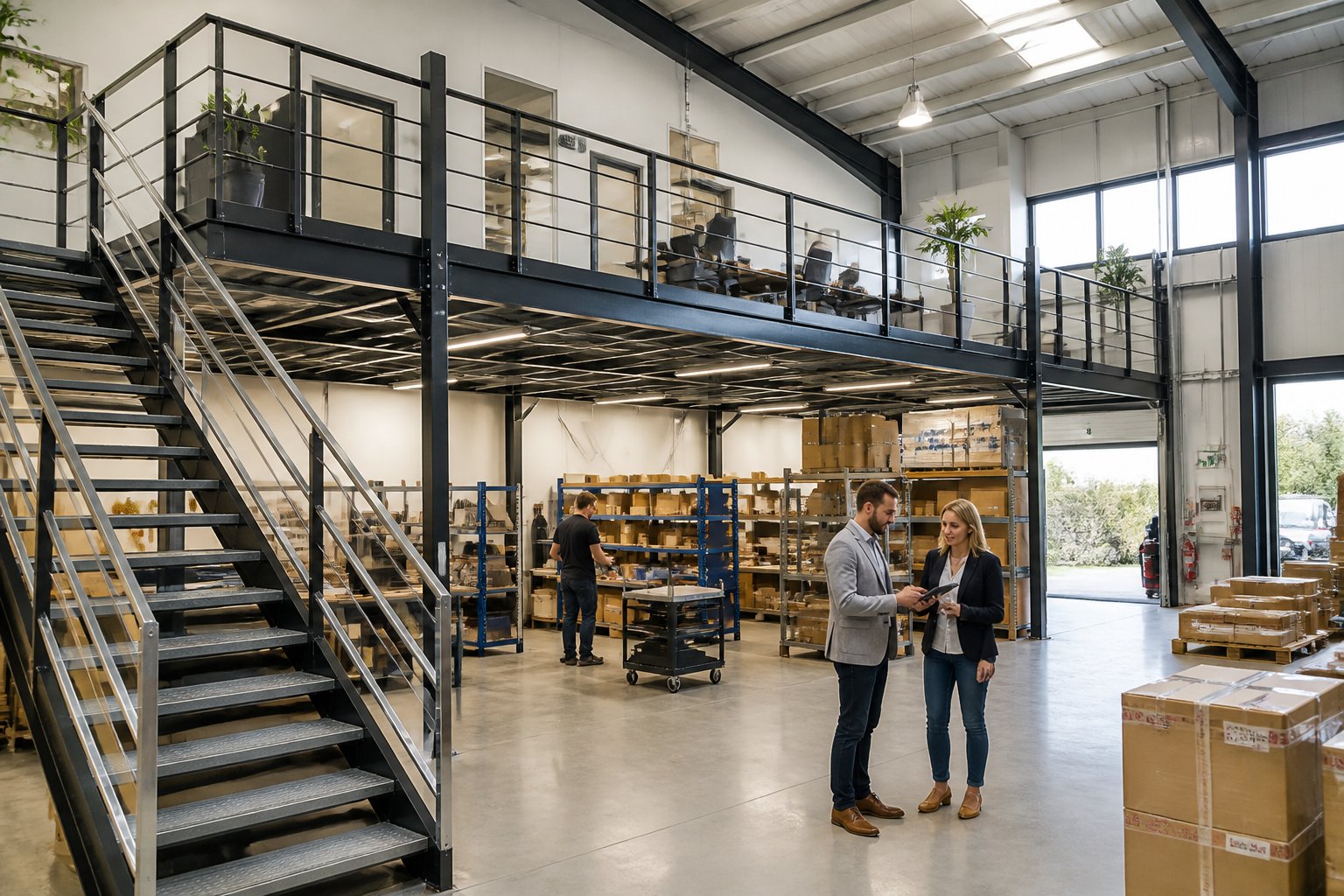
- Changes in floor height
Zoning helps guide how people move through the office. It also reduces noise by keeping loud activities separate from quiet ones.
Visual Privacy Solutions
Visual distractions can be just as disruptive as noise. Seeing constant movement or activity nearby can make it hard for employees to concentrate.
Options for improving visual privacy include:
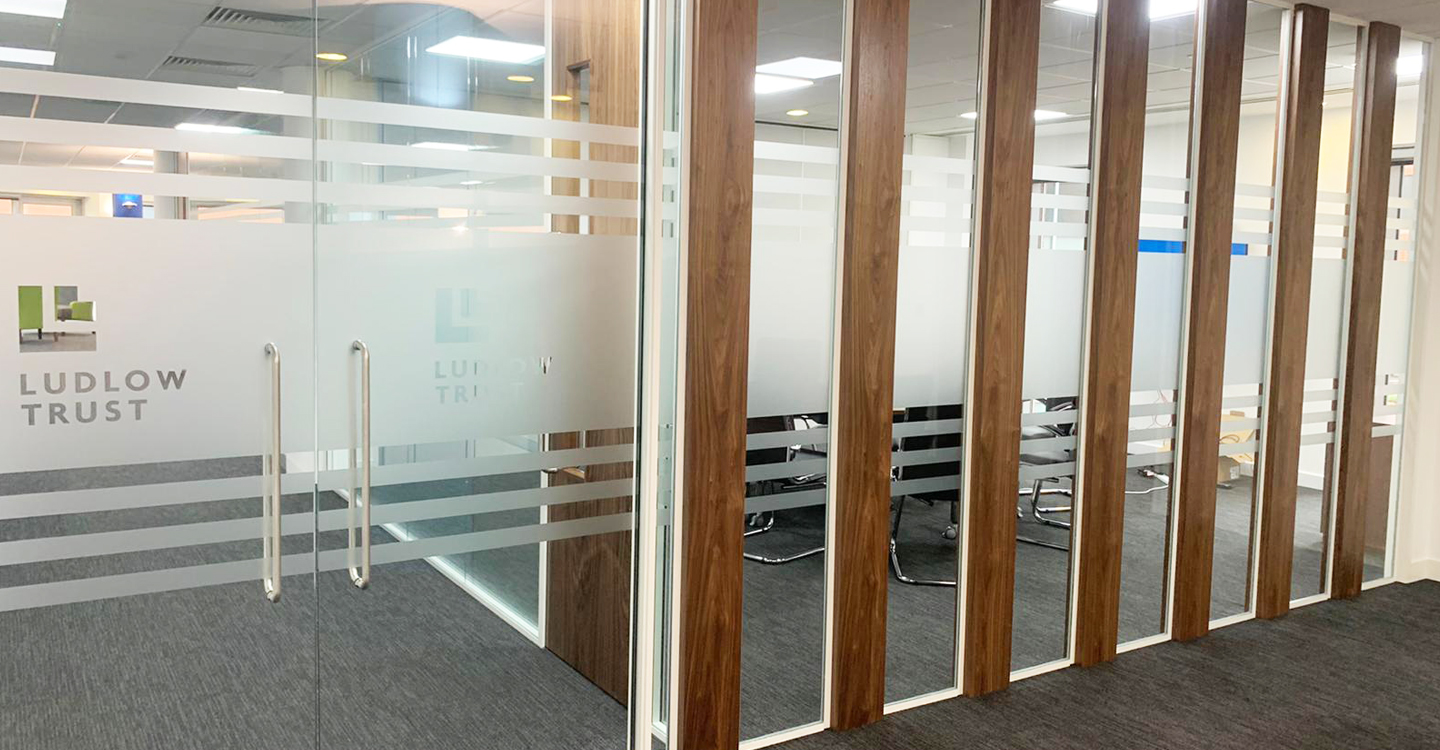
- Frosted glass panels
- Movable screens
- Smart glass that can switch from clear to opaque
These features allow staff to create privacy when needed, without permanently closing off the space. This keeps the office looking open while still giving people a way to reduce visual distractions.
Technology Integration
Technology can also help manage privacy in open-plan offices. Booking systems make it simple for employees to reserve private pods or meeting rooms in advance.
Noise-cancelling headphones are another useful tool. They allow individual staff members to block out background noise without needing a separate room.
By combining these tools with physical design changes, offices can offer more consistent and manageable privacy options for everyone.
Frequently Asked Questions
How Can Staff Boost Privacy In An Open-Plan Office?
Workers can take a few simple steps to gain more privacy in a shared workspace.
- Use noise-cancelling headphones when focus is needed
- Book a private room or booth for calls or sensitive tasks
- Position a desk away from busy walkways
- Use screens or plants to create a visual barrier
- Agree on quiet hours with the team
Small changes like these can make a shared space feel less exposed, even without major building work.
What Are The Main Drawbacks Of Open-Plan Layouts?
Open-plan offices bring people together, but they also create problems. The biggest issue is noise. Conversations, phone calls, and background chatter can make it hard to concentrate.
Lack of privacy is another common complaint. Staff may feel uncomfortable discussing personal matters or sensitive work topics when others can overhear.
Other drawbacks include:
| Issue | Effect on Staff |
|---|---|
| Constant interruptions | Lower focus and slower work |
| Visual distractions | Harder to concentrate |
| Shared air and noise | Higher stress levels |
| Fewer private spaces | Less confidentiality |
Which Design Choices Help With Sound And Sight Privacy?
Several design features can reduce both noise and visibility issues in an open office.
Acoustic panels absorb sound and stop it travelling across the room. Carpet tiles and soft furnishings also help lower noise levels.
For visual privacy, businesses often use:
- Frosted glass partitions
- Tall plants or greenery walls
- Desk screens or dividers
- Furniture placed to break up sightlines
These features let a space stay open in feel while still giving staff some separation.
How Can Noise Be Cut Down In A Shared Workspace?
Reducing noise starts with understanding where it comes from. Common sources include phone calls, meetings, and general chatter near desks.
Businesses can lower noise levels by:
- Creating separate zones for quiet work and group work
- Adding soft materials like rugs and curtains to absorb sound
- Installing acoustic ceiling tiles
- Setting clear rules about phone calls at desks
- Providing enclosed spaces for calls or discussions
A mix of design and simple rules usually works better than relying on one method alone.
What Office Manners Help Protect Colleagues’ Privacy In Shared Spaces?
Good manners matter as much as good design in an open-plan office. Staff should avoid reading over someone’s shoulder or listening in on private conversations.
Helpful habits include:
- Speaking quietly during calls
- Wearing headphones to signal focus time
- Asking before joining a conversation
- Respecting closed doors or booked private rooms
- Avoiding personal questions in open areas
When everyone follows these habits, the office feels more respectful and comfortable for all staff.
Do Privacy Pods And Meeting Booths Work Well In Open-Plan Offices?
Privacy pods and booths are a popular solution for open-plan offices. They give staff a private, enclosed space for calls, meetings, or focused work without needing a separate room.
These pods often include soundproofing, ventilation, and simple furniture. They suit offices that want to keep an open layout but still offer private options when needed.
Many businesses find that a small number of pods can meet most privacy needs, especially in offices with limited space for full rooms.