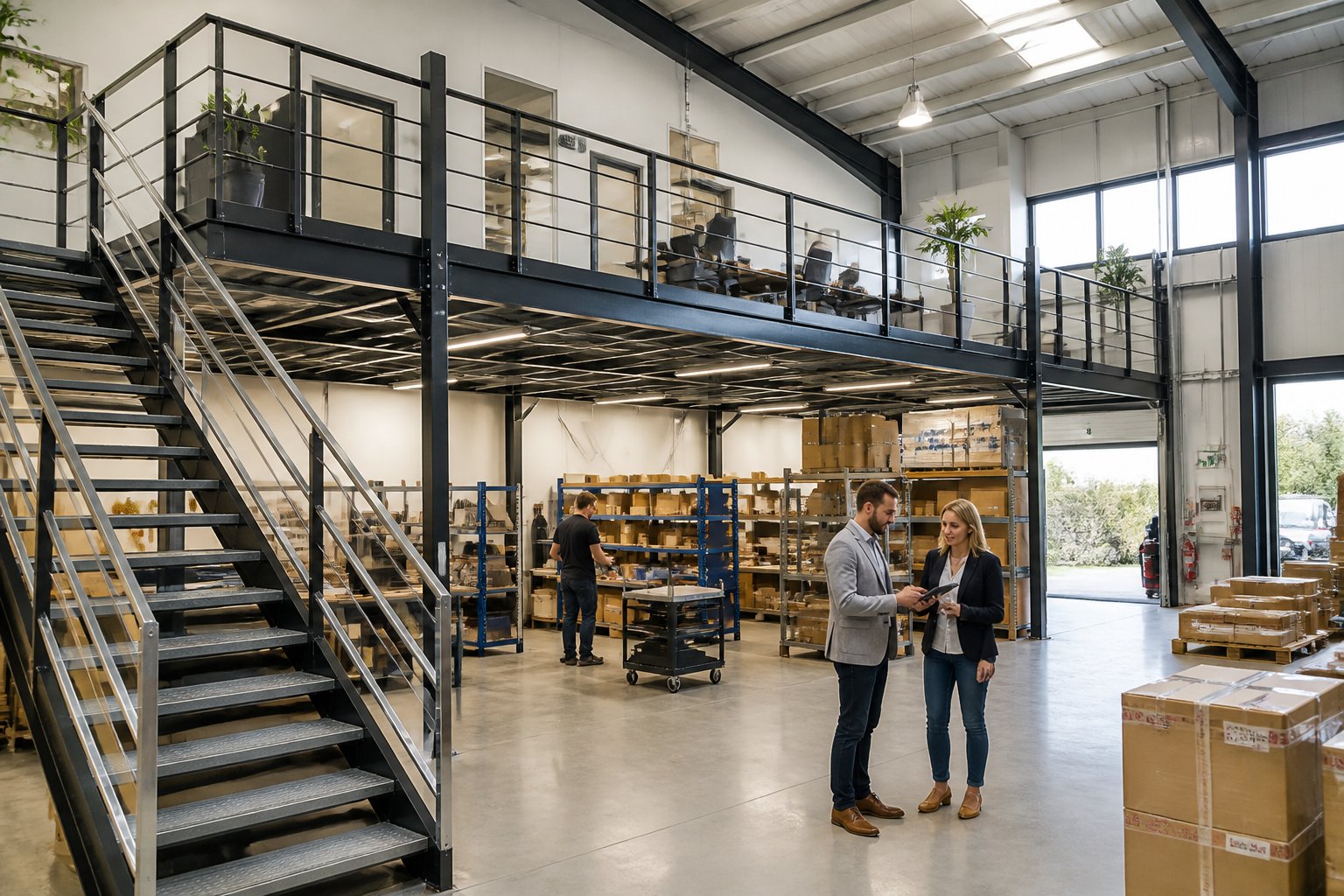
As businesses grow, evolve or adapt to new ways of working, the question often arises: should you renovate your existing office or relocate to a new one?
Both options come with clear advantages and potential drawbacks, and the right decision depends on your business goals, budget and long-term plans.
Taking the time to assess your needs carefully can help ensure your workspace supports productivity, culture and future growth.
Understanding Why Change Is Needed
Before weighing up refurb versus relocation, it’s important to identify what’s driving the need for change. Common reasons include lack of space, outdated facilities, poor layout, rising costs or a shift towards hybrid working.
If your current office no longer reflects how your team works or how your brand presents itself, change may be necessary. Clarifying the problem helps determine whether it can be solved through improvement or whether a fresh start elsewhere is the better option.
The Case for Renovating Your Office
Renovation can be an effective solution if your location still works for your business and your building has good structural potential. Updating layouts, lighting, acoustics and shared spaces can dramatically improve how an office feels and functions.
A well-planned renovation allows you to tailor the space to your exact needs, whether that means creating collaboration zones, quiet focus areas or flexible workspaces. It can also be more cost-effective than relocating, particularly when you factor in moving expenses, downtime and lease changes.
Renovating also minimises disruption for staff who are settled in the area, helping maintain morale and retention. If your business values continuity and already benefits from a strong location, upgrading your existing space may be the most practical choice.
When Relocation Makes More Sense
Relocating becomes more attractive when your current space can no longer meet your requirements, even with refurbishment. If you’re constrained by size, building limitations or poor transport links, a new location may offer greater flexibility and long-term value.
Moving office can open doors to better amenities, improved sustainability credentials and a layout designed for modern working from the ground up. It can also support recruitment by placing your business closer to talent hubs or more accessible transport routes.
For growing businesses, relocation can provide room to scale without repeated disruption. While the upfront costs may be higher, the long-term benefits of a purpose-suited space can outweigh the initial investment.
Cost, Time and Disruption
Budget is often the deciding factor, but it’s important to look beyond headline figures. Renovations can uncover unexpected issues, particularly in older buildings, while relocations come with costs such as fit-outs, moving logistics and potential overlap in leases.
Time is another critical consideration. Renovations may be phased to allow continued operation, whereas relocations often involve a defined move date but significant preparation. In both cases, clear planning is essential to minimise disruption to staff and clients.
Supporting Culture and Ways of Working
Your office plays a key role in shaping company culture. Whether renovating or relocating, the end goal should be a space that supports how your team works today and how you want them to work in the future.
Modern offices increasingly prioritise flexibility, wellbeing and collaboration. Natural light, breakout areas, good acoustics and thoughtful design all contribute to employee satisfaction and productivity. The right choice is the one that best enables these outcomes within your business context.
Making the Right Decision
There is no one-size-fits-all answer to whether you should renovate or relocate your office. Renovation offers continuity and customisation, while relocation provides opportunity and long-term flexibility. The best decision balances practical constraints with strategic ambition.
By assessing your current challenges, future plans and the needs of your people, you can choose an option that not only solves today’s problems but positions your business for success in the years ahead.