As businesses place greater emphasis on mental and physical health, incorporating wellness elements into office design has become a strategic priority rather than a luxury.
Thoughtfully designed spaces can reduce stress, support focus and create a more positive working culture.
Why Wellness in the Workplace Matters
Employees spend a significant portion of their day in the office, and the design of that environment can either support or hinder their wellbeing. Poor lighting, excessive noise and lack of movement can contribute to fatigue, stress and disengagement.
By prioritising wellness in office design, businesses can foster healthier habits, improve morale and even boost performance. A workspace that feels comfortable, supportive and human-centred sends a clear message that employee wellbeing is valued.
Maximising Natural Light and Air Quality
Access to natural light is one of the most impactful wellness features in any office. Daylight supports circadian rhythms, improves mood and helps reduce eye strain. Where possible, office layouts should make the most of windows and skylights, positioning workstations to benefit from natural light without glare.
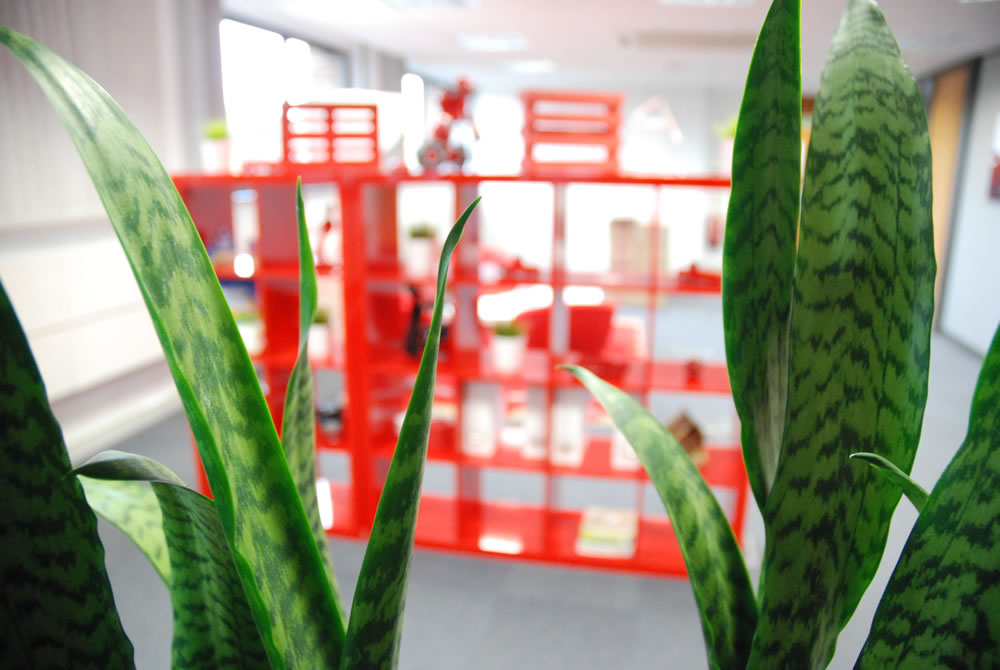
Good air quality is equally important. Proper ventilation, air filtration and the use of low-emission materials help create a healthier indoor environment. Introducing plants can further improve air quality while adding a calming, natural element to the space.
Designing for Movement and Flexibility
Sedentary working is a common challenge in office environments. Encouraging movement through design can make a meaningful difference to physical wellbeing.
Height-adjustable desks allow employees to alternate between sitting and standing, reducing strain and improving circulation. Breakout areas, informal meeting spaces and centrally located amenities encourage people to move throughout the day. Even small design choices, such as wider walkways or inviting staircases, can promote more active habits.
Creating Spaces for Focus and Calm
Open-plan offices can support collaboration, but they can also increase noise and distraction. Wellness-focused design balances openness with areas dedicated to quiet work and mental restoration.
Acoustic solutions, such as sound-absorbing panels and soft furnishings, help reduce noise levels. Quiet rooms, focus pods or designated calm zones provide employees with a place to concentrate or take a short mental break, supporting both productivity and emotional wellbeing.
Supporting Mental Health Through Design
Mental wellbeing is just as important as physical comfort. Office design can play a subtle yet powerful role in reducing stress and creating a sense of ease.
Using calming colour palettes, natural materials and organic textures helps create a more relaxed atmosphere. Access to views of nature, or even nature-inspired artwork, can have a positive effect on mood. Providing comfortable spaces for informal interaction also helps foster connection and reduce feelings of isolation.
Integrating Wellness into Everyday Work
Wellness elements are most effective when they are seamlessly integrated into daily routines rather than treated as add-ons. Kitchens and break areas designed for proper breaks encourage employees to step away from their desks. Dedicated spaces for stretching, mindfulness or quiet reflection further support wellbeing throughout the day.
Technology also has a role to play. Smart lighting systems that adjust throughout the day, for example, can support energy levels and comfort without employees needing to think about it.
Designing with People in Mind
Ultimately, successful wellness-focused office design starts with understanding the people who use the space. Different teams have different needs, and involving employees in the design process helps ensure the environment genuinely supports them.
By creating offices that prioritise light, comfort, movement and mental wellbeing, businesses can build spaces that not only look good but actively enhance the health and happiness of those within them. A well-designed office becomes more than a workplace – it becomes a foundation for thriving teams.