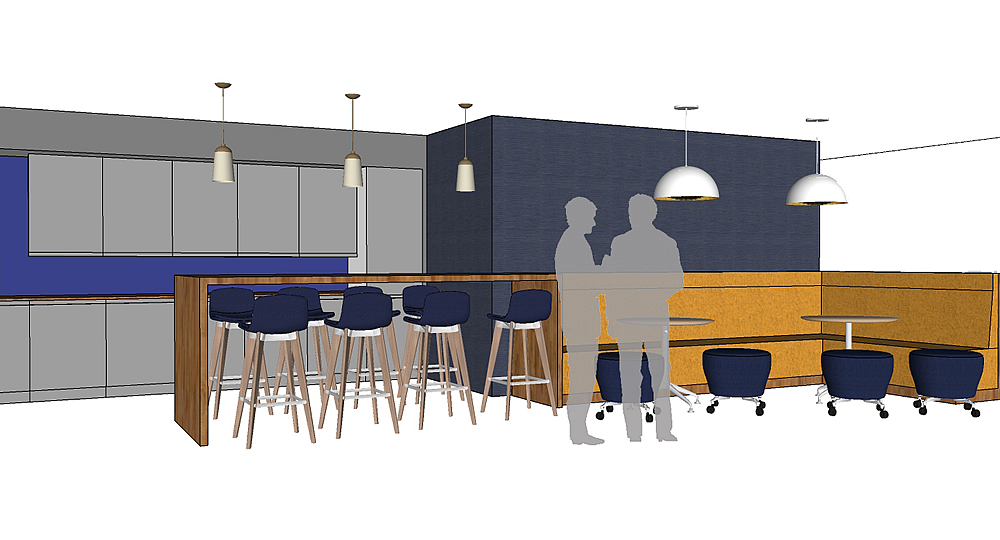
As the modern workplace continues to evolve, agility has become one of the most sought-after qualities in office design.
Businesses are moving away from rigid layouts and fixed desks in favour of adaptable environments that support different working styles, technologies and team dynamics.
The result? Agile offices that empower people to work how, when and where they work best.
A truly agile office is not simply open-plan, nor is it defined by trendy furniture. It is a carefully crafted environment built to respond to the ever-changing needs of a business.
Here are the core essentials that make an agile office design succeed.
1. Flexible Furniture That Moves With Your Teams
At the heart of every agile workspace is flexibility. Furniture should encourage movement, adapt to different tasks and transform a space in minutes rather than hours.
Key features include:
Modular desks and tables that can be reconfigured for team meetings, solo work or workshops
Lightweight seating that’s easy to rearrange
Height-adjustable desks to support ergonomic and varied working styles
Mobile storage units to keep environments clutter-free and adaptable
Furniture that works with your teams rather than restricting them is the foundation of agility.
2. Multiple Work Zones for Different Tasks
Agile offices recognise that no single environment suits every type of work. Creating dedicated zones ensures employees can always find a space that supports the task at hand.
Typical zones include:
Focus areas for quiet, uninterrupted work
Collaborative zones for teamwork and brainstorming
Creative studios for project-based work or design thinking
Breakout spaces for informal conversations or quick resets
Private booths or pods for confidential calls and video meetings
Thoughtful zoning increases productivity, reduces stress and allows teams to flow naturally through their tasks.
3. Seamless Technology Integration
Agility depends on technology that supports mobility and connection. A well-designed agile office ensures that people can plug in, collaborate and communicate from any area with ease.
Essential technologies include:
Reliable high-speed Wi-Fi across the entire office
Wireless charging points and plentiful power outlets
Smart meeting rooms with video conferencing tools
Digital booking systems for desks, rooms and shared spaces
Portable screens and whiteboards for instant brainstorming
Tech should remove friction, not add to it — allowing people to focus on their work rather than their equipment.
4. Spaces Designed for Movement and Flow
An agile office encourages people to move throughout the day, supporting both physical wellbeing and cognitive performance. The layout should make circulation feel natural and intuitive, reducing bottlenecks and creating a sense of openness.
Key design considerations:
Clear sightlines to help navigate the space effortlessly
Wide walkways to accommodate movement without disruption
Blended boundaries between zones to maintain flexibility
Acoustic control to prevent noise from travelling between active and quiet areas
Spaces should feel fluid, not fragmented, creating a cohesive environment even as layouts shift.
5. A Strong Focus on Wellbeing
Agility isn’t just about physical space — it’s about creating an environment where people feel motivated, supported and energised.
Wellbeing essentials include:
Natural light wherever possible
Biophilic elements, such as plants and natural materials
Comfortable breakout areas for rest and social interaction
Ergonomic chairs and equipment
Temperature and lighting controls that adapt to different zones
A workplace that supports wellbeing naturally enhances performance.
6. Storage Solutions That Reduce Clutter
Agile offices require decluttered environments. Flexible storage ensures spaces stay tidy even as furniture moves and teams expand.
Important features:
Lockers or personal storage for hybrid staff
Shared storage walls that double as partitions
Mobile pedestals that move with workstations
Hidden cable management to keep areas clean and safe
Clear spaces encourage clear thinking — especially in fast-paced settings.
7. Culture-Led Design Choices
Agile office design is most successful when it reflects the company’s culture. Whether the workplace prioritises innovation, collaboration or quiet craftsmanship, the design should embody these values.
Culture-led design may involve:
Brand colours used subtly throughout the space
Zones designed around team workflows
Collaborative areas tailored to how meetings actually happen
Social spaces that encourage connection and belonging
Agility works best when it aligns with who the organisation is.
Building an Agile Office That Stands the Test of Time
The most effective agile workplaces are not just adaptable today — they’re built for the future.
By combining flexible furniture, diverse work zones, smart technology and a strong focus on wellbeing, businesses can create spaces that support growth, creativity and resilience.
As teams continue to evolve and new ways of working emerge, an agile office design gives organisations the power to respond quickly without sacrificing comfort or productivity. It’s more than a design trend; it’s a long-term strategy for a workplace that’s ready for anything and a concept you should consider for your next office refurbishment / fitout.