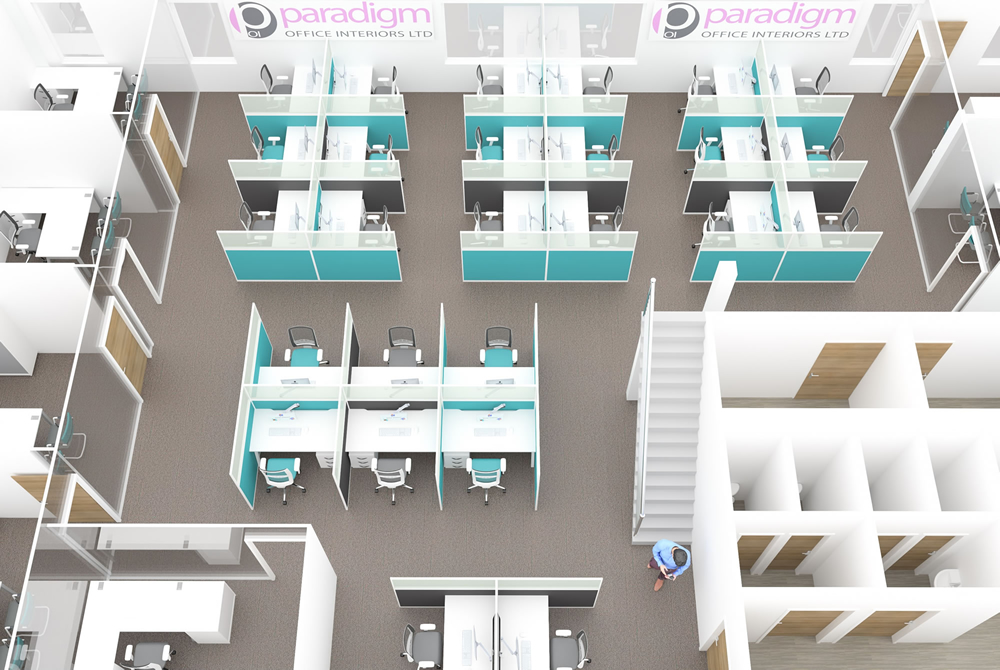
Efficient office space management is more than just arranging desks and chairs – it’s about creating a workplace that supports productivity, collaboration, and employee wellbeing, while also making the most of your investment in real estate.
Whether you are planning a new office layout, managing hybrid working arrangements, or optimising an existing space, strategic space management can have a direct impact on your organisation’s success.
Why Office Space Management Matters
An office is not just a place where people work; it’s an environment that influences how they think, collaborate, and perform. Poorly managed spaces can lead to wasted resources, reduced productivity, and low staff morale. On the other hand, a well-planned office can:
Maximise efficiency by ensuring every square foot is used effectively.
Reduce operational costs by eliminating wasted space.
Improve employee satisfaction by providing comfortable, flexible, and inspiring work areas.
Support company culture by creating spaces that reflect organisational values.
Key Principles of Office Space Management
1. Assess Current Usage
Start by understanding how your existing space is used. Conduct workplace audits, track occupancy rates, and gather employee feedback. This helps identify under-utilised areas and highlights opportunities for improvement.
2. Embrace Flexibility
With hybrid and remote working now commonplace, office design should adapt to different needs. Hot-desking, shared collaboration zones, and multi-purpose meeting rooms ensure the space works for everyone, whether they are in the office daily or only a few times a month.
3. Prioritise Wellbeing
Natural light, good ventilation, ergonomic furniture, and quiet zones all contribute to healthier and happier employees. Incorporating breakout areas and relaxation spaces can also boost creativity and reduce stress.
4. Leverage Technology
Smart office solutions such as desk-booking apps, occupancy sensors, and digital collaboration tools help monitor usage in real time and give employees greater control over how they work.
5. Plan for Growth
Your office needs to support future expansion. Modular furniture, scalable layouts, and adaptable meeting spaces ensure the workplace can evolve as your team grows.
Practical Strategies to Optimise Space
Zoning: Define areas for focused work, collaboration, social interaction, and meetings. Clear zoning helps reduce distractions and encourages appropriate use of each area.
Decluttering: Eliminate unnecessary furniture and storage that take up valuable space. Moving to digital systems can reduce the need for bulky filing cabinets.
Activity-Based Working: Provide different settings for different tasks – from quiet pods for concentration to open lounges for brainstorming.
Regular Reviews: Office needs change over time, so schedule regular reviews to ensure your space continues to align with employee requirements and business goals.
The Benefits of Smart Space Management
By adopting a proactive approach to office space management, businesses can create an environment that is cost-effective, adaptable, and people-focused. This not only leads to improved performance but also strengthens employee engagement and retention.
Office space management is not a one-time project but an ongoing process. As working styles evolve and businesses grow, the workplace must evolve too. By focusing on efficiency, flexibility, and employee wellbeing, organisations can ensure their offices remain functional, inspiring, and future-proof.