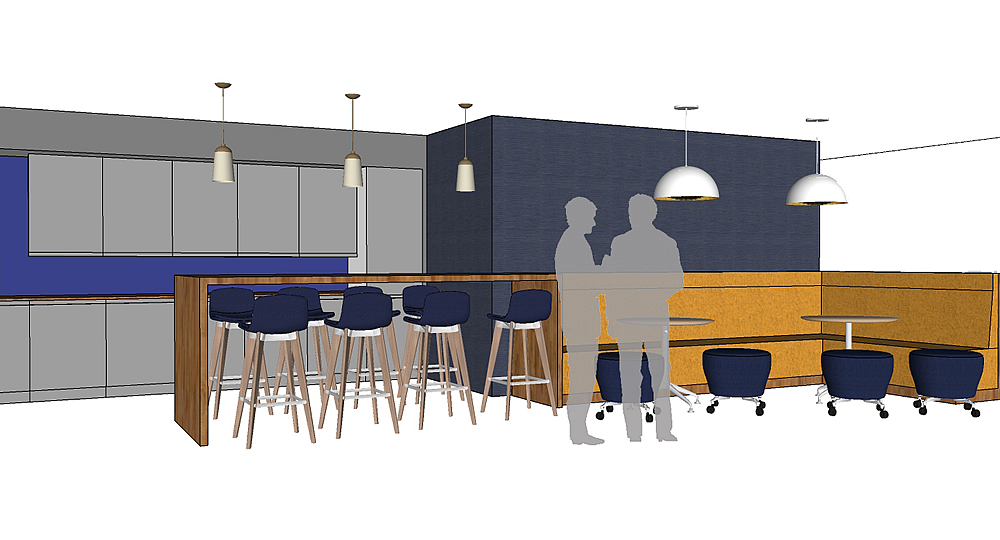
As we approach 2026, the office continues to transform at pace – shaped by hybrid work patterns, sustainability imperatives, and evolving expectations around wellbeing and productivity.
Organisations investing in thoughtful design and refurbishment are finding that spaces which support flexibility, connection and employee wellbeing deliver not just aesthetic appeal but real business value.
Here’s a look at the key trends that will define office design in 2026.
1. Flexible, Activity-Based Workspaces
Gone are the days of fixed desks and rigid layouts. In 2026, offices are evolving into dynamic environments that support different modes of work — from focused solo tasks to collaborative workshops.
Activity zones: Quiet booths, focus pods, and open collaboration hubs replace uniform seating.
Adaptable furniture: Mobile desks and modular seating allow teams to reconfigure spaces on the fly.
Booking tech: Integrated digital systems help employees reserve spaces that suit their needs.
This shift reflects a deeper understanding that productivity is not one-size-fits-all — and that environments should adapt to people, not the other way around.
2. Biophilic Design for Wellbeing
Integrating nature into the built environment continues to be a major priority. Offices in 2026 will harness biophilic principles to improve air quality, reduce stress and boost cognitive performance.
Living walls & greenery: Vertical plant installations not only enhance aesthetics but also improve acoustics and air filtration.
Natural materials: Timber, stone and tactile finishes create a sensory connection to the outdoors.
Daylight optimisation: Layouts and glazing ensure maximum access to natural light.
These features support wellbeing and signal a shift from purely functional spaces to those that nurture human health.
3. Hybrid-First Design Strategies
With hybrid working now firmly embedded, offices are no longer judged by desk count alone. Instead, they become hubs for connection and creativity.
Collaboration at the core: Conference rooms with advanced AV and flexible seating are prioritised.
Drop-in workzones: Agile spaces allow employees to choose how and where they work on any given day.
Home-to-office continuity: Design cues and technologies that mirror home comfort help ease transitions between spaces.
The office of 2026 is a destination — not a default.
4. Smart, Responsive Environments
Technology will be even more central to office design next year. Smart systems that respond to user behaviour enhance both efficiency and experience.
Sensor-driven climate control: Automated temperature and ventilation adjust to occupancy.
Touchless interfaces: From entry to meeting rooms, touch-free tech promotes hygiene and ease of use.
Usage analytics: Real-time data informs space planning and future refurb decisions.
These innovations not only improve comfort but help organisations operate leaner and more sustainably.
5. Sustainability as a Design Pillar
Sustainability is no longer optional — it’s expected. Offices refurbished in 2026 will reflect environmental responsibility at every level.
Low-impact materials: Reclaimed timber, recycled plastics and low-VOC finishes reduce carbon footprint and improve indoor air quality.
Energy-efficient systems: LED lighting, smart HVAC, and renewable energy sources cut operational costs and emissions.
Waste-aware refurbishment: Salvaging and repurposing existing elements reduces landfill and supports circular design.
Clients and employees alike value spaces that demonstrate real commitment to sustainability.
6. Health & Wellbeing Beyond the Basics
Wellbeing design is shifting from nice-to-have perks to foundational strategy.
Movement encouragement: Stair prominence, active furniture and walkable layouts help reduce sedentary habits.
Mindful spaces: Quiet zones, reflection rooms, and wellness corners support mental health.
Ergonomic excellence: Adjustable workstations, supportive seating and inclusive design cater to diverse bodies and needs.
A focus on holistic health reinforces that the workplace supports the full human experience.
7. Personalisation and Choice
Employees expect spaces that recognise their individuality, preferences and ways of working.
Flexible lighting & acoustics: Personal control over light and sound improves comfort and focus.
Design for diversity: Spaces that accommodate different work styles, physical needs and cultural expectations.
Brand expression: Thoughtful visual design reflects company identity and values.
This emphasis on choice improves satisfaction, ownership and engagement.
The office of 2026 is not just a place to work — it’s a thoughtfully curated environment that supports connection, flexibility, wellbeing and purpose. Refurbishment isn’t just about refreshes or trends; it’s a strategic investment in culture, performance and sustainability.
Forward-looking organisations that embrace these design principles will not only attract and retain talent but create spaces where people genuinely want to be.