In recent years, the way we work has undergone a profound shift. Hybrid schedules, evolving employee expectations and a stronger focus on wellbeing have transformed what businesses need from their physical environments.
In this landscape, a new design philosophy has emerged: the balanced workspace.
A balanced workspace is more than a stylish office layout – it’s a strategic approach to creating environments that support productivity, collaboration and wellbeing in equal measure.
As organisations navigate the future of work, this concept is proving vital in building workplaces that truly work for everyone.
Defining the Balanced Workspace
At its core, a balanced workspace is an office environment that provides the right mix of spaces for different types of work. Rather than prioritising open-plan layouts or traditional private offices, balanced workspaces combine both — and everything in between.
The idea is simple:
Different tasks require different conditions. A balanced workspace gives people the freedom to choose the setting that suits what they’re doing.
This means creating a thoughtful blend of:
Private focus areas for deep work
Collaborative zones for teamwork and brainstorming
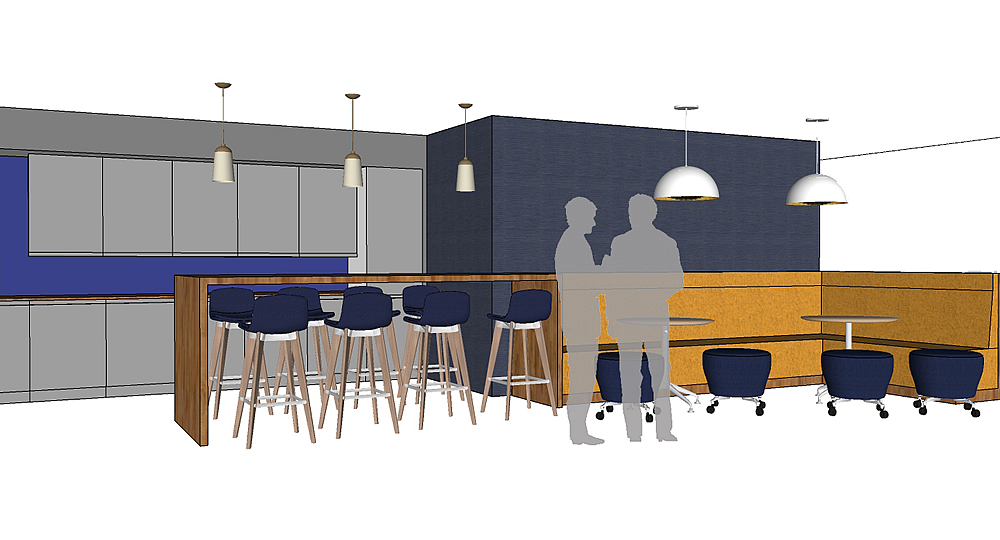
Social spaces for informal interaction
Quiet rooms for reflection or decompressing
Flexible multifunctional areas that can shift with changing needs
It’s a holistic design approach that considers workflow, movement, comfort and culture simultaneously.
Why Balance Matters in Modern Office Design
1. Supporting Hybrid Working
With hybrid models now standard across many industries, office spaces must accommodate people who alternate between remote and on-site work. A balanced workspace maximises the value of time spent in the office by ensuring teams have suitable places to collaborate when they are together and dedicated areas for focused tasks when needed.
2. Enhancing Productivity
Research consistently shows that a single type of workspace cannot meet the diverse demands of today’s roles. Concentration, creativity and collaboration flourish under different conditions. Balanced design removes friction and helps people stay productive throughout the day by giving them choice and control.
3. Promoting Wellbeing
Comfort, acoustics, lighting and ergonomics are essential to employee wellbeing. Balanced workspaces account for these factors across various zones, ensuring staff aren’t confined to uncomfortable or distracting environments. This reduces stress and supports healthier working habits.
4. Strengthening Company Culture
A well-designed office is a physical expression of an organisation’s values. Balanced spaces create opportunities for both connection and independence, nurturing a culture that respects individuality while encouraging teamwork. When employees feel supported and valued, engagement naturally increases.
Key Elements of a Balanced Workspace
1. Zoning and Flow
Thoughtful zoning separates noisy, energetic areas from quiet, concentrated ones. This allows everyone to work without interruption while maintaining a sense of cohesion within the office.
2. Flexibility First
Movable furniture, modular partitions and multi-purpose rooms allow an office to evolve with projects, team sizes and new ways of working. Flexibility is central to balance.
3. Sensory Design
Visual calm, acoustic control, natural lighting and biophilic elements all contribute to a workspace that feels harmonious. When senses are balanced, so is the mind.
4. Technology Integration
Tech should make movement between spaces seamless. This includes wireless connectivity, video meeting solutions, booking systems for rooms and easy access to power sources in all zones.
5. Wellbeing Touchpoints
Breakout lounges, quiet pods, wellness rooms and kitchens designed for genuine relaxation help employees reset and return to work refreshed.
How Companies Can Create Their Own Balanced Workspace
Transitioning to a balanced workspace doesn’t always require a full redesign. Businesses can start by:
Observing how staff use existing spaces
Identifying bottlenecks, noise issues and underused areas
Introducing modular furniture or acoustic solutions
Creating dedicated zones for focus, collaboration and breaks
Involving employees in planning to ensure the space reflects their needs
Small, strategic changes often have significant impact.
A Balanced Workspace Is a Better Workspace
As the office continues to evolve, balance has become the design benchmark that supports how people actually work today. It ensures environments aren’t just functional, but adaptive, comfortable and inspiring. A balanced workspace offers the best of all worlds: productivity without burnout, collaboration without chaos and comfort without compromise.
In an era where workplace design plays a pivotal role in attracting and retaining talent, achieving this balance is no longer a luxury — it’s essential.